Moving tools works best when you move a teaching routine, not an entire archive. Pick the next lesson as your starting point.
Decide what must move
Make three groups: information needed for the coming week, reference material you still use, and historical material you need to retain. For the first group, gather student contact details, agreed lesson times, the current piece and one practice goal. Keep your existing records accessible while you verify the new ones.
SYNKii’s invitation model connects accounts to teaching relationships. A list of email addresses is not a substitute for choosing the right adult learner or guardian route.
Move one relationship
Invite one student, check the calendar entry and share one resource. Ask the learner to find it from their own account. Then use a real lesson to test the return journey: your guidance, their practice and your next review.
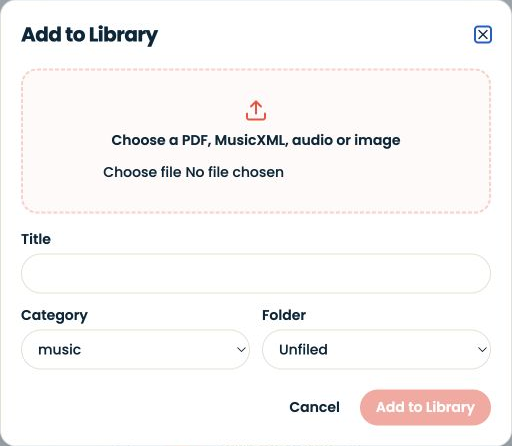
For example, replace “see last week’s chat attachment” with a named library item and a note saying which two bars to practise. The gain is less searching, not more uploading.
Choose a clear changeover
Tell the family where new lesson guidance will appear and from which lesson. Keep one channel for urgent scheduling conversations during the transition. Avoid sending different practice instructions in two places.
Check before expanding
Can the student sign in? Can the guardian see the information intended for them? Does the calendar reflect the agreed time? Are invoice records consistent with your existing records? Resolve discrepancies before moving the next group.
There is no need to recreate every old conversation. Retain records according to your own responsibilities, then bring forward the musical context that still affects teaching.